



So, you have to start your fall yard clean-up routine. Soon. Let’s ensure you do it in the right order to prevent unnecessary hassle or mistakes. Start this fall cleanup checklist once leaves begin falling, follow it in stages, and finish all essential tasks before freezing temperatures settle in. Here are the most important 12 steps you should follow.

Why Fall Yard Cleanup Matters
A complete fall yard cleanup does more than improve curb appeal. It’s actually a fundamental part of lawn care in the fall, because, as cozy as the season is, it presents a lot of challenges for your yard. Thick leaf cover blocks sunlight and airflow. Wet leaves encourage fungal problems, while brush and dying vegetation shelter pests. Diseased material may also carry problems into the next growing season.
Cleanup also reveals bare turf, damaged branches, and drainage issues before winter makes repairs harder. You gain time to aerate, overseed, control weeds, and protect roots while reducing maintenance in spring.
The key is to begin in early fall to work around rain, wind, and changing temperatures. We always recommend that homeowners in Roanoke spread their cleanup tasks throughout the season rather than rushing them all at the end. This approach protects the property without overwhelming your schedule.
Your 12-Step Fall Yard Clean-Up Checklist
1. Rake Fallen Leaves from the Lawn
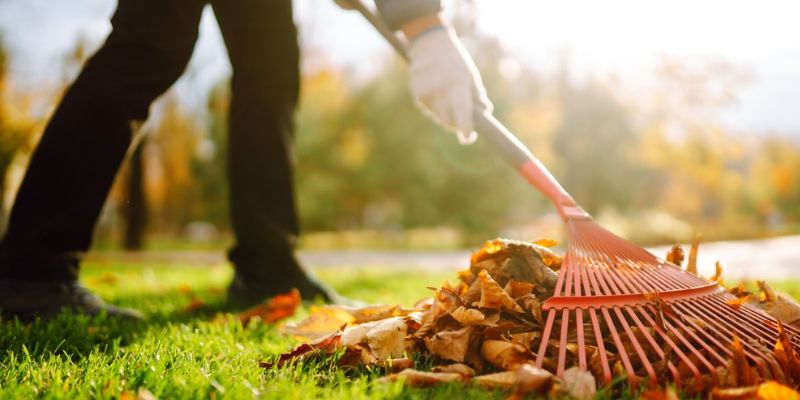
As expected, the first thing to do in our fall lawn clean-up checklist is to clean your outdoor space. Rake or blow leaves before they form a wet blanket over the grass. Don’t limit cleaning to open spaces only; check shaded areas, fence lines, corners, and low spots. Properties with mature trees may require several leaf removal sessions, especially during peak leaf drop. Don’t forget to clear walkways because wet leaves create a slipping hazard.
2. Decide Whether to Mulch, Compost, or Haul Leaves
Not all leaves and debris are bad. Some of them can even make garden maintenance easier. And, yes, we’re talking about mulching. It’s actually a fairly easy DIY project. Your lawn mower can shred a light, dry layer of leaves into pieces that enrich the soil. You can also compost healthy leaves if you can manage the pile. Haul away heavy layers, diseased foliage, or any debris your lawn can’t absorb.
3. Clear Sticks, Brush, and Storm Debris
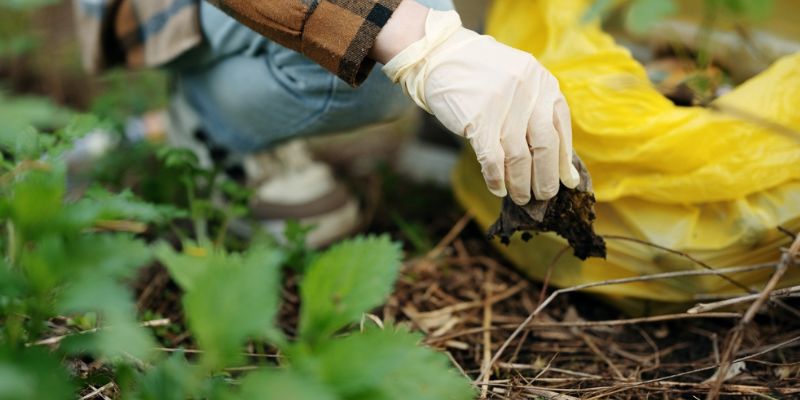
Storm and plant debris must also go. Collect branches, twigs, pinecones, and brush from lawns and flower beds. Check drainage channels, driveways, and equipment areas for blockages. Wear gloves, and call a professional when large limbs, unstable trees, or storm debris make the work unsafe.
4. Complete the Final Mows of the Season
Keep mowing while the grass is actively growing, but avoid scalping it. Remove no more than one-third of its height at once. A clean final cut discourages matting, while overly short grass is more prone to stress. Remember to remove dense clippings and leaf piles afterward.
5. Aerate Compacted Soil
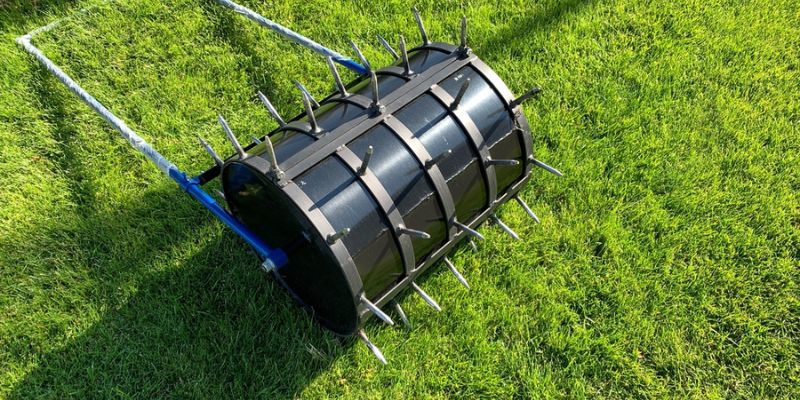
Foot traffic, equipment, and clay-heavy soil restrict the flow of water, oxygen, and nutrients toward the grass roots. That makes your lawn and landscape suffer. Core aeration can help by removing soil plugs and opening the root zone. Yards with pooling water, thin turf, or heavy traffic particularly benefit the most. Just make sure to match timing to the grass type and active growth period.
6. Overseed Thin or Bare Areas
After aeration, the ground is open to receiving more. That’s the perfect moment to overseed compatible cool-season grasses to fill bare patches. Choose seed suited to your turf, sunlight, soil, and Roanoke’s climate. Spread it evenly, ensure seed-to-soil contact, and maintain a light watering schedule. Dense turf not only creates a beautiful yard but also prevents weeds from growing.
7. Remove Weeds Before Winter
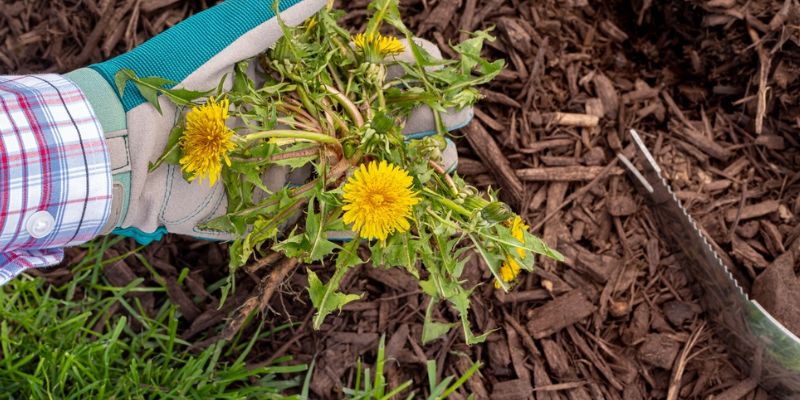
Speaking of weeds, they have to go, too, of course. Leaves and weeds are the perfect hiding spots for pests. Therefore, we suggest pulling manageable weeds from damp soil, including their roots, and discarding plants with seed heads. Inspect your lawn and garden, plus walkway joints and property edges, to ensure you’ve gotten them all. Before using any herbicide, identify the weed, select a suitable product, and follow its label.
8. Clean Garden Beds and Remove Diseased Plants
Remove spent annuals, fallen fruit, dead vegetables, and diseased foliage. Cut back perennials only when the species requires it; some stems provide winter interest or habitat. Keep diseased material out of compost, redefine bed edges, and remove any other debris that shelters pests.
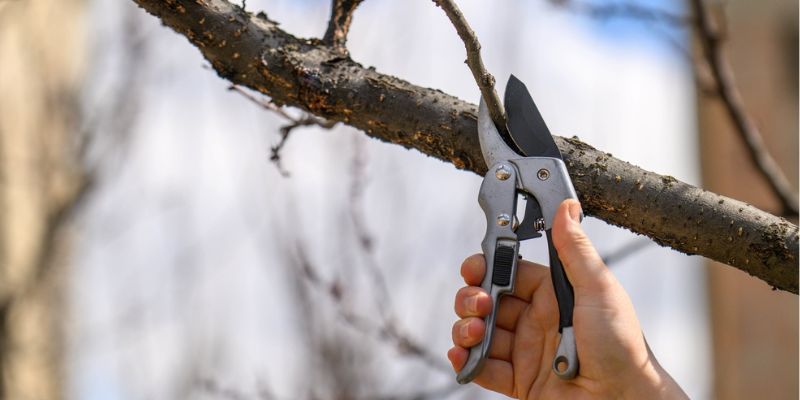
9. Prune Dead, Damaged, or Hazardous Branches
Inspect trees and shrubs for broken, diseased, or hanging branches. Use sharp tools on small, accessible limbs, but avoid indiscriminate pruning. Leave high branches, heavy limbs, and growth near power lines or structures to professionals. Getting rid of these branches is winter protection for your property and yard if a storm hits.
10. Refresh Mulch Around Plants and Trees
Of course, our fall yard cleanup checklist wouldn’t be complete without mulching. An even layer is enough to moderate soil temperature, retain moisture, discourage weeds, and protect roots. Remove excess buildup first. Keep mulch away from trunks and crowns instead of forming “volcanoes” that trap moisture against bark.
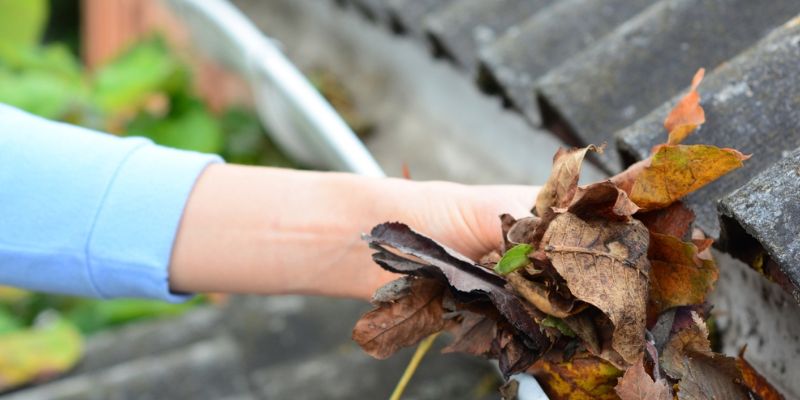
11. Check Drainage and Irrigation Systems
A real thorough fall cleanup includes your drainage and irrigation system, too. Clear gutters so rain moves away from foundations and low areas. To get your irrigation system ready for winter, disconnect, drain, and store hoses before the first freeze. Also, you should inspect exposed fixtures, irrigation parts, and water features. Follow manufacturer directions or seek help when systems require winterization.
12. Clean and Store Lawn Equipment
Finally, your garden tools. Remove residue from all equipment and mower decks. Sharpen edges, dry metal tools, and store everything away from moisture. Check for damage now to avoid an unpleasant surprise once spring arrives, and follow the manufacturer’s directions for mower fuel, oil, batteries, filters, and seasonal storage.

Fall Cleanup Mistakes That Can Damage Your Landscape
Sometimes, the best tips are warnings against common mistakes. Below are the ones we always tell homeowners to stray away from:
- Waiting until every leaf falls: Several smaller cleanups prevent heavy, wet mats from forming.
- Scalping the lawn: Cutting grass too short stresses turf and exposes its crown.
- Pruning every plant the same way: Incorrect timing can remove flower buds or weaken plants.
- Leaving diseased debris in beds: Infected material may spread pathogens next season.
- Piling mulch against trunks: Excess moisture can damage bark and encourage decay.
- Ignoring blocked drainage: Standing water can erode soil, harm roots, and create slippery areas.
- Taking unsafe risks: Large limbs and storm damage require proper equipment and experience.
Frequently Asked Questions
What Does a Fall Cleanup Include?
A professional fall cleanup service includes leaf removal, debris hauling, bed cleanup, and storm-damage cleanup. You can pair it with mowing, pruning, mulching, aeration, and overseeding. We offer custom plans according to your turf, plants, drainage, and tree coverage.
Do I Need to Remove Every Leaf From My Lawn?
No, not really. You can mow a light layer of dry, healthy leaves to create your very own mulch. On the other hand, you should remove them when they cover most of the grass, form wet mats, contain diseases, or remain clumped after mowing. The turf should stay visible to receive sunlight and air.
Can I Mow Over Leaves Instead of Raking Them?
Yes, when leaves remain dry and sparse. Make several passes until pieces settle between grass blades. Collect thick rows or clumps, and never mow through hidden sticks, rocks, or debris.
Which Plants Should I Cut Back Before Winter?
Remove diseased, damaged, or pest-infested growth first. Many annuals can come out, but perennial needs vary. Identify each species before pruning, and preserve healthy stems that provide seeds, shelter, or winter interest.
What Happens If I Skip Fall Yard Cleanup?
Heavy debris may smother turf, trap moisture, harbor pests, block drainage, and hide damage. Weeds and diseased foliage also create spring work. Neglect increases the risk of thin grass, bare patches, fungal trouble, and repairs.
Prepare Your Roanoke Yard for Winter With TS Landscaping LLC
You don’t have to do the entire fall yard clean-up checklist on your own. You can reclaim your weekends and still give your landscape the seasonal care it deserves with TS Landscaping LLC. Our licensed and insured team provides professional yard cleanup in Roanoke, Salem, Vinton, and surrounding communities, including leaf removal, brush and debris hauling, seasonal cleanup, and storm damage recovery.
We bring more than 15 years of experience, competitive pricing, and a customer-first approach to every property. Request your free estimate today and enjoy a clean, healthy yard without the hassle.