


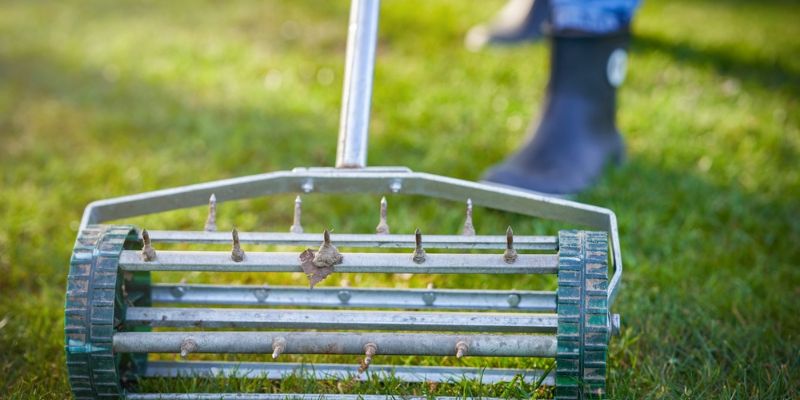
Keeping a lush lawn isn’t magic. It’s science. It requires knowing your type of grass, the perfect height to mow, the soil quality and kind, and much, much more. Proper maintenance is honestly not easy. Two powerful lawn care practices can help, though: aeration and overseeding.
If, at the mention of those two words, you’re left wondering, “What is aeration and overseeding?” or “When should I aerate and overseed my lawn?” you needn’t worry. This guide will demystify both services, show you why the order matters, and explain when and how to do them so you achieve a healthy lawn year-round. All the instructions and tips you need are right here, so continue reading!
What Is Lawn Aeration?
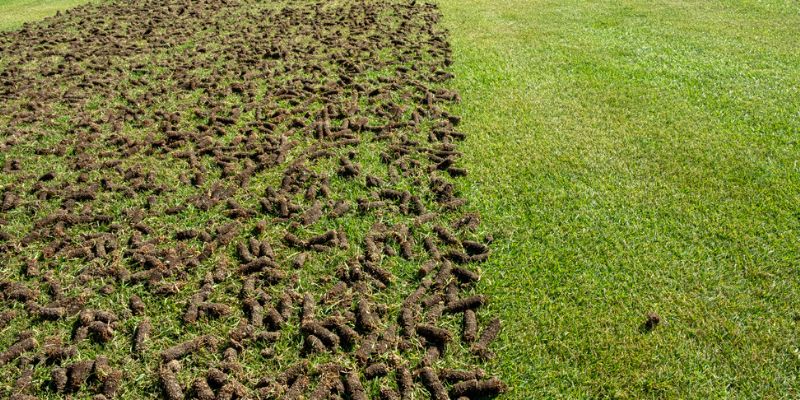
Lawn aeration is the process of creating small openings in the soil to break down compaction and improve the flow of nutrients, air, and water to the grass roots. Daily use (like foot traffic, regular mowing, and even heavy rains) presses soil particles together, compacting the soil. This, in turn, suffocates roots, limits water infiltration, and encourages shallow grass growth. Aeration punches through that barrier, loosening the earth and allowing your lawn’s root system to expand and thrive.

The Main Benefits of Aeration
So, what are the actual benefits of lawn aeration? Here are the results you’ll see once you start implementing this practice:
- Improved Root Growth: Looser soil means grass roots can grow deeper, searching out moisture and nutrients that shallow roots can’t reach.
- Enhanced Nutrient Uptake: Fertilizer works better because nutrients travel directly to the root zone rather than washing off or sitting on the surface.
- Better Water Absorption: Aerated lawns absorb rainfall and irrigation more efficiently, reducing puddling and runoff.
- Stronger Disease and Drought Resistance: Healthy, deep roots withstand summer heat waves, insects, and common turf diseases far better than stressed, shallow roots.
- Improved Soil Microbiology: Oxygen pockets created by aeration stimulate beneficial microbes that break down thatch and release natural nutrients.
- Thicker, Greener Appearance: All of the above lead to a green lawn that looks professionally maintained.
The 4 Aeration Methods
Before choosing among the different methods of lawn aeration, consider your soil type, grass species, budget, and the amount of compaction. Below are the four most common techniques and their pros and cons:

1. Core Aeration
Core (or plug) aeration uses a machine with hollow tines that pull 2–3-inch plugs from the soil.
- Best for: Heavy clay or extremely compacted yards.
- Pros: Removes bulk soil, offering maximum relief; plugs break down naturally, adding organic matter.
- Cons: Requires specialized equipment; small soil plugs remain on the surface for a week or two.
2. Liquid Aeration
Liquid aeration involves spraying a solution (often containing humic acid and surfactants) across the lawn to create microscopic fissures in the soil profile.
- Best for: Sandy soils or moderately compacted yards needing a quick treatment.
- Pros: No messy plugs; can be applied with standard backpack or hose-end sprayers; safe for slopes.
- Cons: May require multiple applications to equal the effect of core aeration; results vary by product quality.

3. Spike Aeration
Spike aeration penetrates the ground with solid tines or fork-like spikes, pushing soil aside rather than removing it.
- Best for: Lightly compacted lawns or touch-ups between core aeration visits.
- Pros: Simple tools; DIY-friendly; no cleanup required.
- Cons: Can actually increase compaction around each hole because soil is compressed sideways; less effective in clay soils.
4. Slicing Aeration
A slicing or blade aerator cuts thin slits through turf and thatch using rotating vertical knives.
- Best for: Lawns with moderate thatch or when overseeding directly after slicing.
- Pros: Opens space for seed-to-soil contact; minimal surface disturbance; faster than plug aerators.
- Cons: Doesn’t remove soil; less relief for deep compaction; effectiveness drops on rocky ground.
What Is Lawn Overseeding?
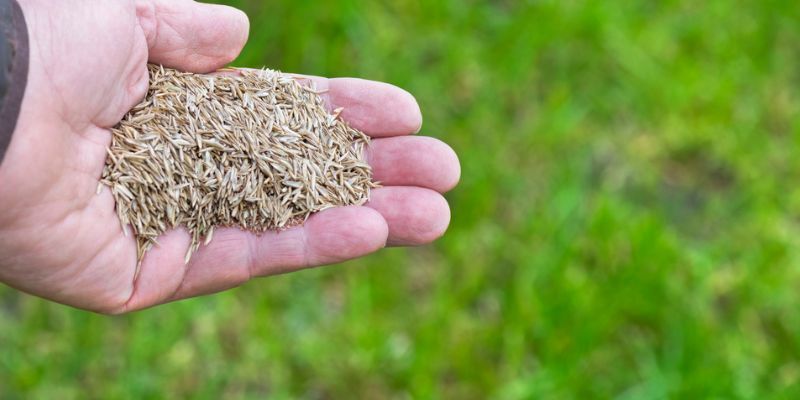
You’ll often see that overseeding is associated with aeration. But what is overseeding, exactly? It’s the practice of spreading new grass seed over an existing yard without tearing out the turf. The main goals are to introduce improved cultivars, thicken thin areas, and out-compete weeds. Think of overseeding as refreshing your landscape’s genetic makeup, ensuring disease resistance and vibrant color.

The Core Benefits of Overseeding
Okay, appearance is a huge advantage of overseeding, but does it provide any other perks? Here are some of the pros of overseeding your lawn:
- Thicker Turf Density: More grass blades per square inch act as a form of weed control and prevent soil erosion.
- Enhanced Color: Modern seed blends yield richer greens and seasonal color consistency.
- Increased Disease and Pest Resistance: New cultivars are bred for better resistance, reducing the need for chemical treatments.
- Better Drought Tolerance: Blends containing drought-resistant new grass varieties lessen watering requirements.
- Improved Playability: A denser lawn cushions footsteps, making it safer for kids, pets, and outdoor entertaining.
Why Overseeding Your Lawn After Aeration Is Important
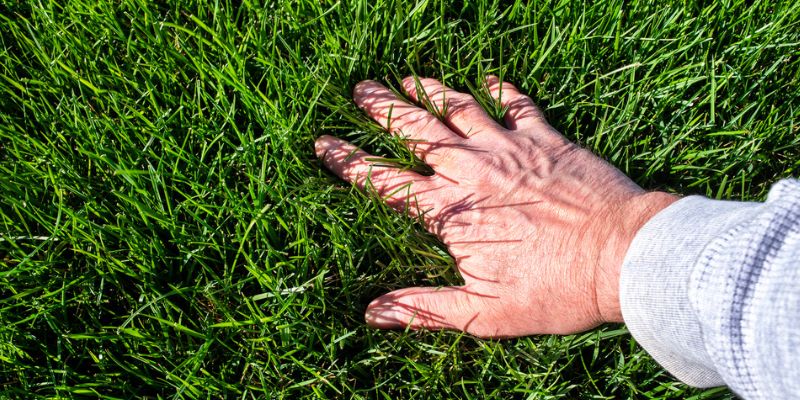
“Is aeration and overseeding worth it?” It is, in fact, one of the best chores you can complete for your landscape. Especially when you do it together. Aeration creates the perfect seedbed. The freshly opened holes and loosened soil allow seeds to settle below the thatch layer (in other words, a layer of dead grass), protecting them from birds and direct sunlight.
As the plugs break down, they cover the seed lightly with nutrient-rich soil, improving their chance of germinating. Skipping aeration means many seeds sit on top of the compacted ground, right where they dry out or wash away, wasting your effort and money.
When Should You Aerate and Overseed Your Lawn?
Timing matters. A lot, actually. Therefore, we couldn’t overlook answering one of the most asked questions: “What time of year to aerate the lawn?”
- Cool-Season Grasses (Kentucky bluegrass, fescues, ryegrass): Early fall (late August to October) is ideal. Soil is still warm for germination, and cooler nights reduce stress.
- Warm-Season Grasses (Bermuda, centipede grass, St. Augustine): Late spring to early summer (May to June) when growth is most active.
- Soil Moisture: Aim for slightly moist (not soggy) ground. Water one day prior if conditions are dry.
- Frequency: Core aerate once a year in high-traffic or clay soils; every 2–3 years elsewhere. Overseed annually for best density.

Quick Step-by-Step Process for Lawn Aeration and Overseeding
Finally, let’s talk about the process. Our yard care technicians break down a quick, simple step-by-step to aerate and overseed your lawn:
- Mow and Rake: Trim turf to 2–2.5 inches and remove debris to expose soil.
- Mark Obstacles: Flag sprinkler heads and shallow cables.
- Core Aerate: Cover each section twice in perpendicular passes for uniform holes.
- Apply Starter Fertilizer: Spread a phosphorus-rich product to feed seedlings.
- Broadcast Seed: Use a calibrated spreader for even coverage; choose a premium blend suited to your climate.
- Topdress (Optional): Lightly rake compost or screened topsoil to improve germination.
- Water Gently: Keep the surface consistently damp (not puddled) for 7–14 days, then taper to deeper, less frequent soakings.
- Limit Foot Traffic: Avoid heavy use until the third mow to protect emerging sprouts.
Hire Our Lawn Aeration and Overseeding Services in Roanoke, VA!
And that’s all for our guide on aeration and overseeding! Let’s recapitulate: what is aeration and overseeding? Aeration is the process of punching small holes in the soil to break down compaction, improve water infiltration, and enhance soil structure. Overseeding, on the other hand, means spreading new grass seed over your yard without tearing out the turf.
To achieve the best results, you must complete each task with the utmost care and skill. If you’re in Roanoke, VA, you can just call TS Landscaping LLC. Whether you want to reap the benefits of core aeration or a personalized, seasonal lawn care plan, our experts are always ready to help. With transparent pricing, state-of-the-art equipment, and a 100% satisfaction guarantee, we deliver thicker landscapes that boost curb appeal—fast. Schedule your consultation today to receive a free estimate!