


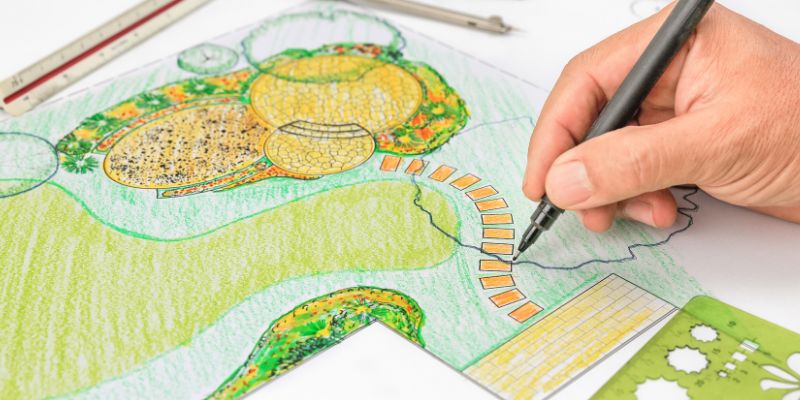
Every homeowner dreams of a show-stopping, sustainable, and, of course, easy-to-maintain outdoor space. However, not every homeowner has the budget or the right team to make their vision a reality. The good news is you don’t have to be an expert landscape architect to create the perfect oasis for you.
This blog guides Roanoke residents on how to design a landscape in 6 simple steps, plus the basic principles, the types of gardens, and tips and tricks you’ll need to understand before starting. Ready to create a landscape design plan that reflects your unique personality and style? Continue reading!
What You Should Consider Before Starting
Before you take out a single shovel from the garage, take your time to plan your home landscape. Our first rule as professionals is to get the design on paper. That way, you prevent headaches down the line. Here’s what you should consider when planning:
Types of Landscapes
We want a cohesive garden, not an amalgamation of different features pieced together without a second thought. Choosing a theme guides your decisions. So what style or type of garden design do you envision?
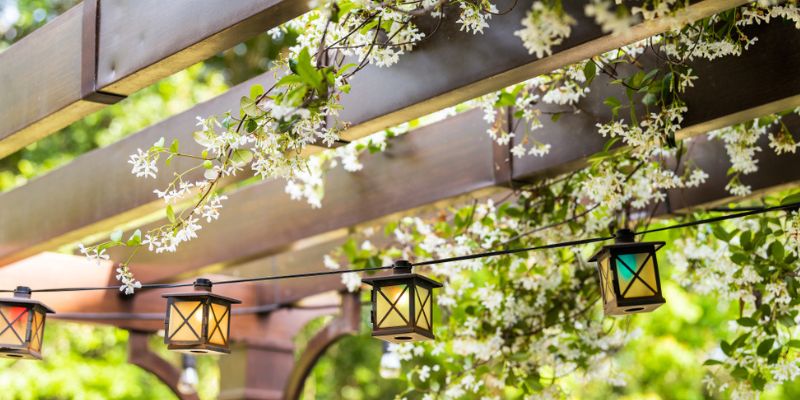
- Formal or English Garden: A structured look with symmetrical layouts, neat hedges, defined walkways, and elements like pergolas or trellises draped in vines.
- Modern: A minimalist approach with clean lines and simple forms. Think geometric shapes, concrete or stone patios, and fewer (but well-chosen) plants.
- Woodland or Natural: This style mimics a natural forest. It has lush groundcovers, shady trees, and an organic layout. A woodland garden typically needs less maintenance.
- Eco-Friendly or Native: A sustainable design focusing on native plants and environmental features, like rain barrels for water, a rain garden for drainage, or even a wildflower meadow.
Basic Principles
No matter the style or type you choose, when it comes to how to design a landscape, you must master the basic principles. Yes, even a basic landscape design needs to follow the “golden rules” to make it look balanced and intentional. These are:
- Unity and Harmony: Aim for a cohesive look where all the parts of the landscape feel connected. It’s best to avoid too many unrelated features that can make the yard feel disjointed.
- Balance: Distribute visual weight evenly. You can use symmetrical balance (for example, both sides of a walkway are mirror images) or asymmetrical balance (like a large tree on one side balanced by a group of smaller shrubs on the other).
- Scale and Proportion: Choose plants and features that suit the scale of your house and yard. For instance, avoid planting a huge shade tree right next to a small one-story house.
- Rhythm and Repetition: A good landscape design repeats elements to create a rhythm. You might plant groups of the same flower or use the same edging material throughout.
- Focal Points: Give the eye somewhere to land. A focal point might be a specimen tree, a fountain, a sculpture, or even a distinct plant bed.
- Simplicity: Especially for beginners, keep it simple. It’s better to have a well-maintained, simple design than a chaotic mix of every plant you like.
Tips and Tricks
Finally, here are some general tips and tricks from our specialists to make your dream yard come true:
- Evaluate Your Needs: Make a short list of how you want to use your yard. Your lifestyle should drive the design.
- Stroll the Neighborhood: Take a walk around Roanoke neighborhoods and note some landscape design ideas.
- Think Year-Round: We get spring blooms, hot summers, autumn colors, and winter frost here. Plan for year-round interest.
- Right Plant, Right Place: This old saying is key. Choose plants that suit each spot’s conditions (sun, soil, moisture).
- Budget and Time: Be realistic about how much you want to spend and how much time you’ll commit to upkeep.
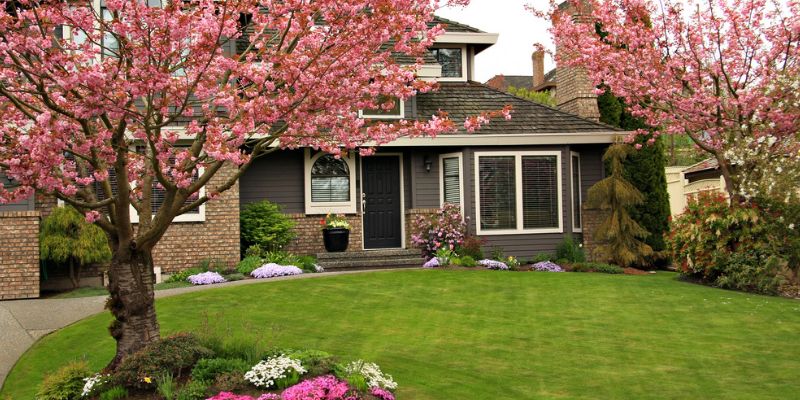
- Consider Architecture: Choose a style that complements your home and neighborhood. For example, a formal landscape can enhance a Colonial-style home.
Our 6 Simple Landscape Design Steps to Follow

1. Create a Plan and Site Inventory
The first step in our “How to Design a Landscape” guide is to create a base plan on paper. Mark off the key features, such as your house, driveway, existing trees or gardens, fences, utilities, etc. If possible, use a copy of your property survey for exact measurements, and don’t guess on property lines (which can result in costly mistakes). Once that’s ready, record the conditions of your yard:
- Soil: Note any areas that are very soggy or, conversely, very dry. While you can improve soil over time, it’s usually best to choose plants that will thrive in your existing soil.
- Topography & Drainage: Is your yard flat or sloped? Does water collect anywhere? Mark high spots, low spots, and any drainage issues.
- Climate & Microclimates: Jot down sun and shade patterns. Remember that the sun’s angle changes with seasons, and consider wind and temperature differences.
- Existing vegetation: List what’s currently growing, both what you want to keep and what might need removal.
By the end of this step, you’ll have the foundation of your design. Doing this homework now will save you lots of trouble later.
2. Determine Environmental Factors
The next step in our landscape design process is focusing on the environmental conditions. In the case of Roanoke, you must pay attention to the following:
- Climate: We experience warm, humid summers and cold, snowy winters. Make sure any plants you choose can survive our winters and also handle the summer heat and humidity.
- Seasons: Because we have four distinct seasons, plan for seasonal changes. For example, an Eastern Redbud tree blossoms bright pink in spring, whereas a Virginia Sweetspire shrub has gorgeous red foliage in fall.
- Soil and Drainage: To work with our clay soil, consider raised beds or soil amendments in planting areas, and choose plants that tolerate heavy soil. Always plan to fix any major drainage issues before planting.
- Humidity: Summers in Roanoke are not just hot; they’re humid. This encourages plant diseases (like mildew or fungus), so look for disease-resistant plant varieties.
- Sun and Shade: Determine which parts of your yard are full sun, partial shade, or full shade. In design, you’ll want sunny areas for things like vegetable gardens and shadier areas for patios.
By thoroughly understanding our local environment, you design with nature, not against it. These choices, while complex at first, set you up for a beautiful landscape that actually thrives throughout the seasons with minimal upkeep.

3. Establish Functional Areas
When designing your landscape, you must also think about functionality. We all want beauty, but that cannot be the only thing your garden boasts. Recall the list of needs and desires you made earlier, and assign a purpose to each area in your outdoor space:
- Public area: Usually the front yard. Common functions here are the entry walkway, front porch, foundation plantings, and curb appeal features.
- Private area: Typically, the backyard. Here you might have a patio or deck for dining, a lawn for kids and pets, a fire pit or seating area, etc.
- Service area: Often the side yard or a less-visible section. This is for sheds, trash cans, compost bins, or utility needs (like HVAC units or garden tool storage).
Sketch bubbles or outlines on your base map to mark where these areas will go. Highlight any relationships (i.e., a grill next to the outdoor dining space) and flow of movement (how you’ll circulate through the landscape). Group related activities, separate the ones that might create conflict, and provide safe, clear routes between areas.
4. Select the Plants and Trees
When it comes to how to design a landscape, you cannot skip the fun part: choosing your plants, trees, and shrubs. This is where your plan starts reflecting color, texture, and personality. However, unlike common belief, plant selection is more than picking pretty flowers.
- Right Plant, Right Place: Match plants to the conditions of the spot and the space available. For example, if you have a tight area near the house, choose a small ornamental tree (like a dogwood or redbud) that won’t outgrow the space.
- Native and Adapted Species: For Roanoke and Virginia in general, using native plants is a smart choice. They’re adapted to our climate and soil, so they typically need less water and care once established.
- Color, Texture, and Seasonal Interest: Aim to have something interesting in each season: spring flowers, summer lushness, fall color, and winter evergreens or attractive bark.
- Maintenance Needs: Be honest about how much upkeep each plant will need and whether you’re up for it. If you’re a beginner seeking low-maintenance, steer toward hardy natives or shrubs that don’t need frequent pruning.
Need help deciding which local plants to grow? Review the hardiness zone map to find the best native vegetation for your area. For Roanoke, VA, we’re in USDA hardiness zone 7b (with some areas in zone 7a), so great local picks include Eastern Redbud, Virginia Sweetspire, and Black-Eyed Susan.
5. Finalize Your Landscape Plan
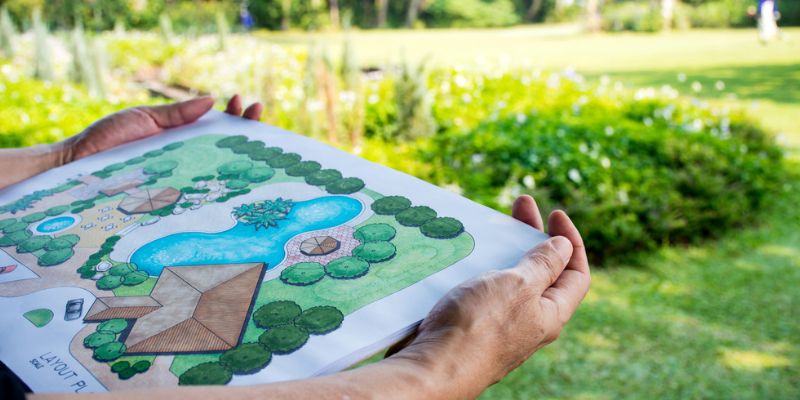
At this stage, you’ve got all the pieces: a base map with your landscape layout, composed of the functional areas and plants you desire. Now, it’s time to complete a blueprint for installation:
- Refine the Design: Step back and review your plan critically. Tweak placements if needed.
- Add Details: A final plan should note important details like the exact materials for hardscapes, any irrigation or lighting plans, and the specific plant species and quantities.
- Phasing and Future Planning: You don’t have to implement everything at once. So think long-term and leave space for the features you want to add in the future. This avoids costly re-dos.
- Review Scale and Spacing: Double-check that you haven’t overcrowded things. Those cute little plants will grow! Use the mature sizes to space them out on paper.
Before moving on, one more tip: prioritize the phases of your plan. Decide what to tackle first versus later. Having priorities will help, especially if budget or time is limited.
6. Install Your Landscape
You’re almost done with your DIY landscape design for beginners! Now you get to decide which projects are viable for your skill level and safety, and which require the assistance of a licensed hardscape contractor like TS Landscaping LLC.
You can still do the fun planting bits and let our pros handle the tricky parts, like fence installation or laying sod. Remember that the goal of our “How to Design a Landscape” guide is to get an outdoor space you’ll love with no injuries or undue stress along the way.
Ready to Own a Stunning Outdoor Space? Design it with TS Landscaping LLC!
And that’s how to design a landscape! The steps are easy, though they require research and attention to detail so as not to miss anything. In summary, these are: 1) creating a base plan; 2) factoring environmental conditions; 3) defining functional spaces; 4) selecting the right plants; 5) completing the landscaping design; and 6) DIY or expert installation.
If you’re excited to breathe life into your vision, but unsure where to start, don’t hesitate to ask our landscape professionals for help! With over 15 years of experience in the field, we’ve made a wide range of designs possible, from sustainable landscapes to minimalist ones. Let us handle the flower beds and grass while you enjoy your free time! Contact us to share your inspiration and receive a free quote for your landscaping project!