


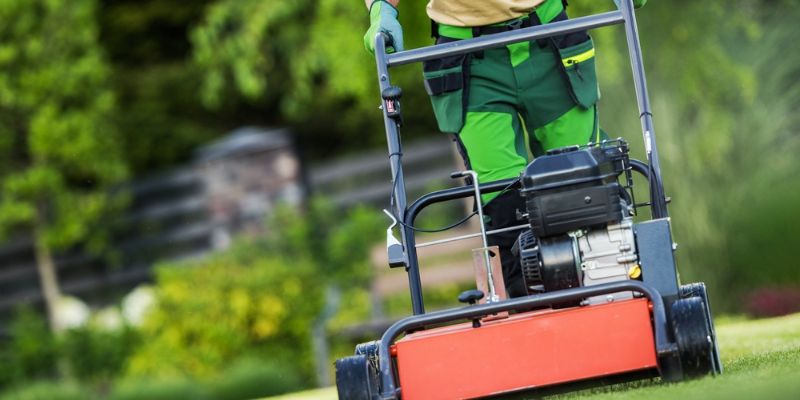
A thin, patchy lawn is a nightmare for homeowners, especially those who mow and water rigorously. But have you ever considered that the root problem may sit beneath the surface? Compacted soil and excess thatch are a dangerous combo that prevents air, moisture, and nutrients from reaching the grassroots, allowing thin areas the room for weeds to spread.
That’s where core aeration and overseeding come in. This blog explains the 9 main benefits of aeration and overseeding, answers common questions about both lawn care methods, and details how they together create thicker, greener, more resilient turf in Roanoke, VA.
What Are Lawn Aeration and Overseeding?
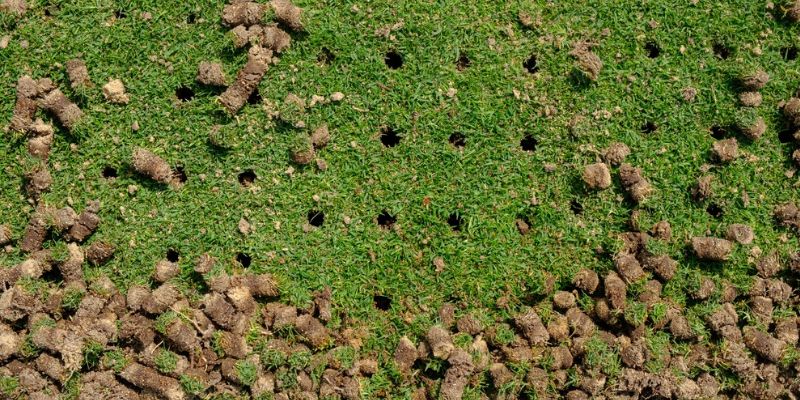
Back to the basics: what is the actual purpose of aeration and overseeding? Well, core aeration involves removing small plugs of soil across the lawn. These openings loosen soil and provide a clearer path for air, nutrients, and water to reach roots. Finally, leave those plugs in place only so they naturally crumble back into the yard.
Overseeding, on the other hand, means spreading new grass seed over existing turf without removing the lawn. New seed fills sparse sections, improves grass density, and can introduce varieties with better tolerance to local environmental conditions. Both treatments help when the soil feels hard, water runs off, weeds occupy thin areas, or summer leaves the turf worn.

Why Do Aeration and Overseeding Work Better Together?
Many customers ask, “Should I aerate before seeding?” And, yes, you should. Consider that seeds need direct contact with soil, moisture, and oxygen to germinate. Aeration creates the welcoming environment they need to thrive. Therefore, a coordinated effort supports your existing turf and even new grass varieties.
- Aeration opens the soil: Removing cores reduces compaction and creates room for tender new roots to develop.
- Seeds reach the ground: Some seeds settle into aeration holes instead of getting caught on grass blades or a thick thatch layer.
- Water moves deeper: Better infiltration helps moisture reach both established roots and germinating seed.
- Nutrients become more accessible: Loose soil allows nutrients to travel toward the root zone, where young and mature grass can use them.
- New grass fills weak areas: Overseeding improves density while aeration helps the existing lawn recover from stress.
Top 9 Benefits of Overseeding and Core Aeration
1. Relieve Soil Compaction
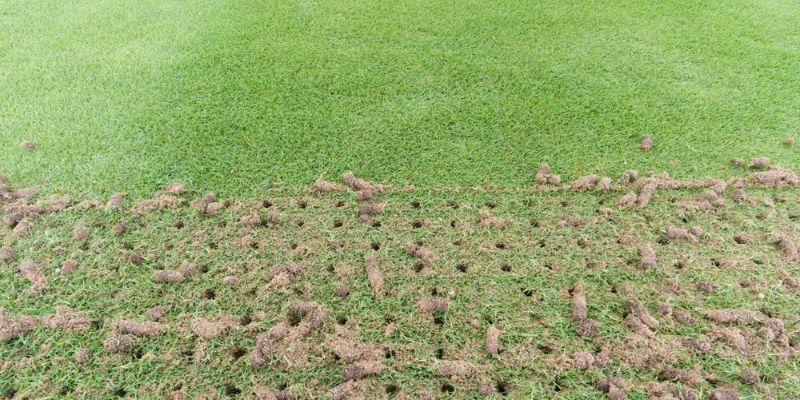
Children playing, pets running, mowing equipment, and everyday foot traffic gradually press soil particles together. That doesn’t lead to the dense turf you want. It causes dense soil that leaves little space for water, oxygen, or roots. Core aeration removes plugs and restores essential openings. Looser ground gives roots room to spread and helps heavily used lawns make better use of rain, irrigation, and nutrients.
Improve Air, Water, and Nutrient Absorption
Grass roots require oxygen, moisture, and nutrients, but compaction and thatch interfere with all three. Aeration creates channels that move these resources below the lawn surface. Water can soak toward the root zone instead of running toward the driveway, and nutrients gain a clearer route from the soil surface to deeper underground. This improved access makes proper watering and fertilization more effective.
3. Encourage Deeper, Stronger Grass Roots
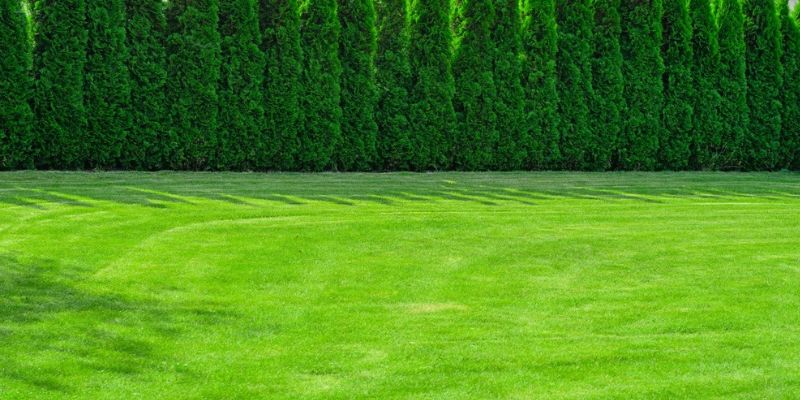
Soil structure and nutrient absorption are a few of the many benefits of both of these lawn maintenance practices. But did you know they improve root growth, too? You see, shallow roots leave turf vulnerable when Roanoke’s summer heat dries the soil surface. Aeration gives established roots and new seedlings more space to expand. A deeper, fuller root system anchors the grass and reaches moisture farther underground. Strong roots also help turf recover from everyday wear and seasonal stress.
4. Create Better Seed-to-Soil Contact
Grass seed needs contact with moist soil for successful germination. Seeds that simply rest on grass blades, thatch, or debris dry out or wash away. Aeration exposes soil and creates pockets where seed can settle. Although temperature, moisture, and seed quality still matter, these openings offer a much better start than an unprepared surface.
5. Fill Bare Spots and Thicken Thin Grass
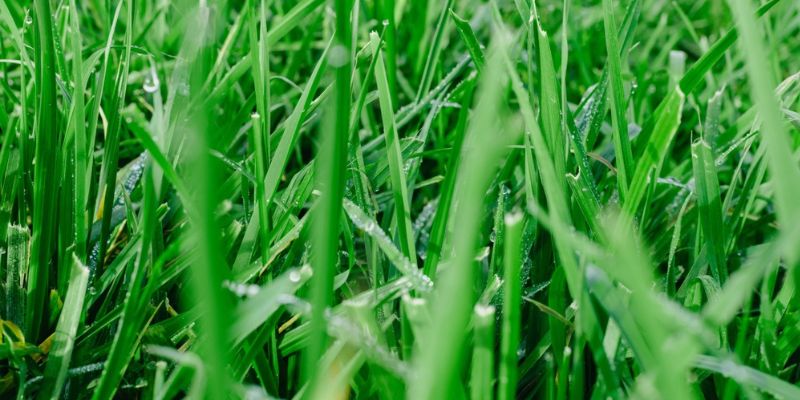
Summer stress, heavy use, pests, and disease leave patchy coverage. Overseeding places fresh seed in weak sections rather than waiting for existing grass to spread. As seedlings mature, they fill gaps, create more uniform color, and feel better underfoot. This approach creates a thick lawn without removing all the existing turf.
6. Crowd Out Weeds Naturally
Crabgrass is known to take advantage of thin turf because it provides the right amount of sunlight, moisture, nutrients, and space to grow (and end up overtaking your outdoor space). Dense lawns compete for those resources, so filling open areas makes it harder for weeds to gain a foothold. Aeration and overseeding will not eliminate every weed, but thick, vigorous grass provides valuable weed control. Proper mowing, regular watering, and fertilization make it stronger.
7. Improve Resistance to Heat, Drought, Pests, and Disease
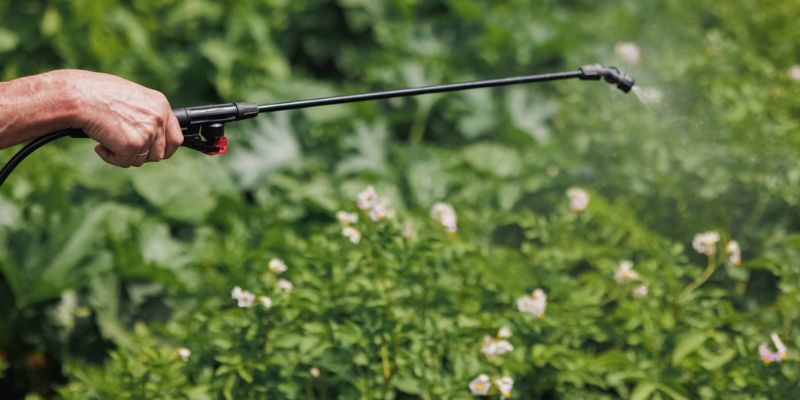
Lawns in Roanoke face humid summers, hot spells, traffic, insects, and turf diseases. Overseeding and aeration boost pest, disease, and drought tolerance. The first does so by introducing quality varieties selected for local conditions, while aeration improves their access to air, water, and nutrients. No treatment makes grass immune to trouble, but dense turf with strong roots can withstand heat stress, pests, and most common lawn diseases, or recover more successfully than thin, weak grass.
8. Reduce Thatch and Improve Drainage
Thatch consists of stems, roots, and organic material between your green grass and soil. A thin layer does help turf, but excessive buildup blocks air and water. Aeration brings soil microorganisms into contact with thatch, supporting natural decomposition and water infiltration.
9. Limit Erosion and Improve Long-Term Lawn Appearance
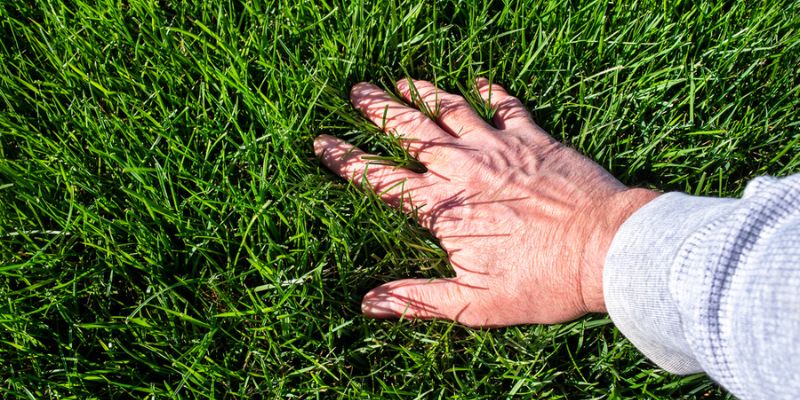
Thin turf leaves soil exposed to heavy rain and runoff, especially on sloped properties in Roanoke Valley. Overseeding brings a lush lawn to life, while stronger roots help hold topsoil in place. Over time, healthy grass creates smoother color and texture. The lawn gains more than a temporary green boost; it develops the vigor to maintain curb appeal through changing seasons and regular use.
When Is the Best Time to Aerate and Overseed in Roanoke, VA?
Understanding the perfect timing for aeration and overseeding is essential to achieving the greener lawn you want. Our pro tip is to match the type of grass to the active growing season. For example, many lawns in Roanoke contain cool-season grasses such as tall fescue and perennial ryegrass. In such cases, late summer through early fall usually provides their best window: warm soil encourages germination, cooler air reduces stress, and young grass can establish before winter.
Spring may work in some situations, but rising temperatures and weeds make establishment harder. Pre-emergent herbicides can also stop grass seed from germinating.
That said, if you own warm-season grasses (like Bermuda grass), those generally need aeration during active growth in late spring or early summer. And keep in mind that grass species, soil moisture, weather, lawn health, and recent treatments all influence timing, so a local assessment prevents wasted seed and avoidable stress.
Frequently Asked Questions
What Are the Most Common Lawn Aeration Mistakes?
Common mistakes include aerating rock-hard or soaked ground, using spike tools that press soil sideways, making too few passes, and treating dormant or stressed grass. You have to be extremely careful of hitting irrigation heads or shallow cables. We recommend marking obstacles, confirming that the ground feels moist, and timing the treatments to support active recovery.
What to Do Immediately After Aeration?
Leave the soil plugs so they can crumble and return organic matter to the lawn. Overseed promptly and water according to the seed’s needs. Keep the surface consistently moist during germination without creating puddles. Limit traffic while seedlings establish, and wait until the new grass plants reach a suitable height before mowing.
Can You Just Throw Grass Seed to Overseed?
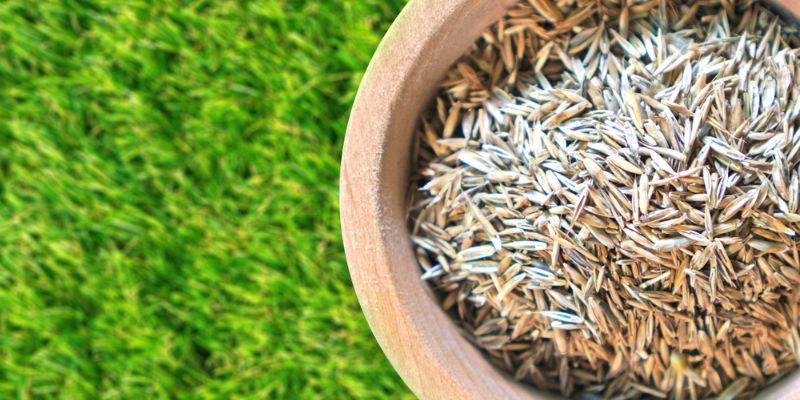
You can spread seed over existing turf, but simply throwing it down often causes uneven germination. Seeds caught in tall grass or thatch may dry out, wash away, or feed birds. Instead, mow appropriately, clear debris, prepare the soil, distribute seed evenly (you can use a drop spreader), and maintain moisture.
Can I Aerate Without Overseeding?
Yes, you can, in some cases. Aeration alone can relieve compaction, improve infiltration, and support existing roots. Dense turf without bare areas may not need seed every time. Combining both services makes sense when grass lacks density, contains damaged sections, or needs more resilient varieties. Let the entire lawn’s condition guide your decision.
What Is the Aeration and Overseeding Process?
A professional evaluates the turf, soil, grass type, obstacles, and weather. Preparation may include mowing, watering, and marking irrigation components. A core aerator makes overlapping passes to remove plugs, followed by even seed distribution at the correct rate. Careful watering and traffic control then protect early growth. Ongoing lawn maintenance helps preserve a green lawn.
Give Your Lawn the Best Results with Our Aeration & Overseeding Services!
Your lawn should enrich your outdoor space, not become a problem you constantly battle. TS Landscaping LLC creates personalized aeration and overseeding strategies for residential and commercial properties throughout Roanoke, Salem, Vinton, and nearby communities.
With more than 15 years of experience, a licensed and insured crew, modern equipment, and close attention to your grass type and goals, we make achieving a healthy lawn simpler. Contact us for your free estimate today. Give your soil room to breathe and your landscape the thick, polished finish it deserves!